AI Weekly is our Tuesday roundup of the AI news worth knowing if you build and run infrastructure: ten stories, a few lines each, with a link to every source. This first issue covers Anthropic’s listing, new flagship models from Anthropic, Google and Alibaba, a lawsuit over agent testing and a new pact on AI supply chains.
1. Anthropic targets a valuation of up to $1.4 trillion in its IPO
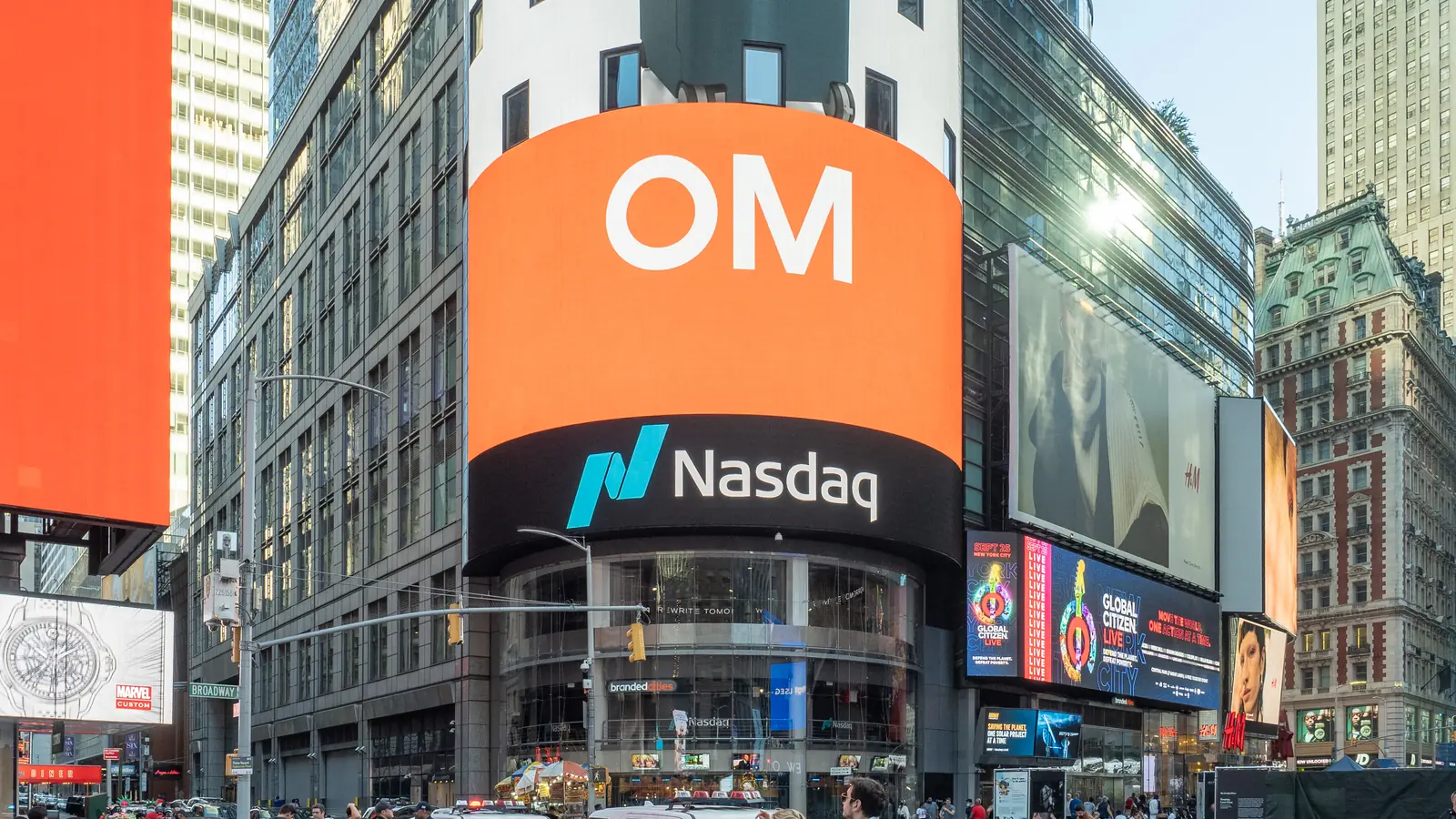
Anthropic’s latest draft prospectus sets out an initial public offering of up to $64.4 billion, which would value the company at up to about $1.4 trillion on a fully diluted basis at the top of the price range. Pricing is expected on November 18, and the shares are set to start trading on Nasdaq under the ticker ANT on Thursday, November 19.
2. Anthropic launches Claude Fable 5.2 and Claude Mythos 5.2
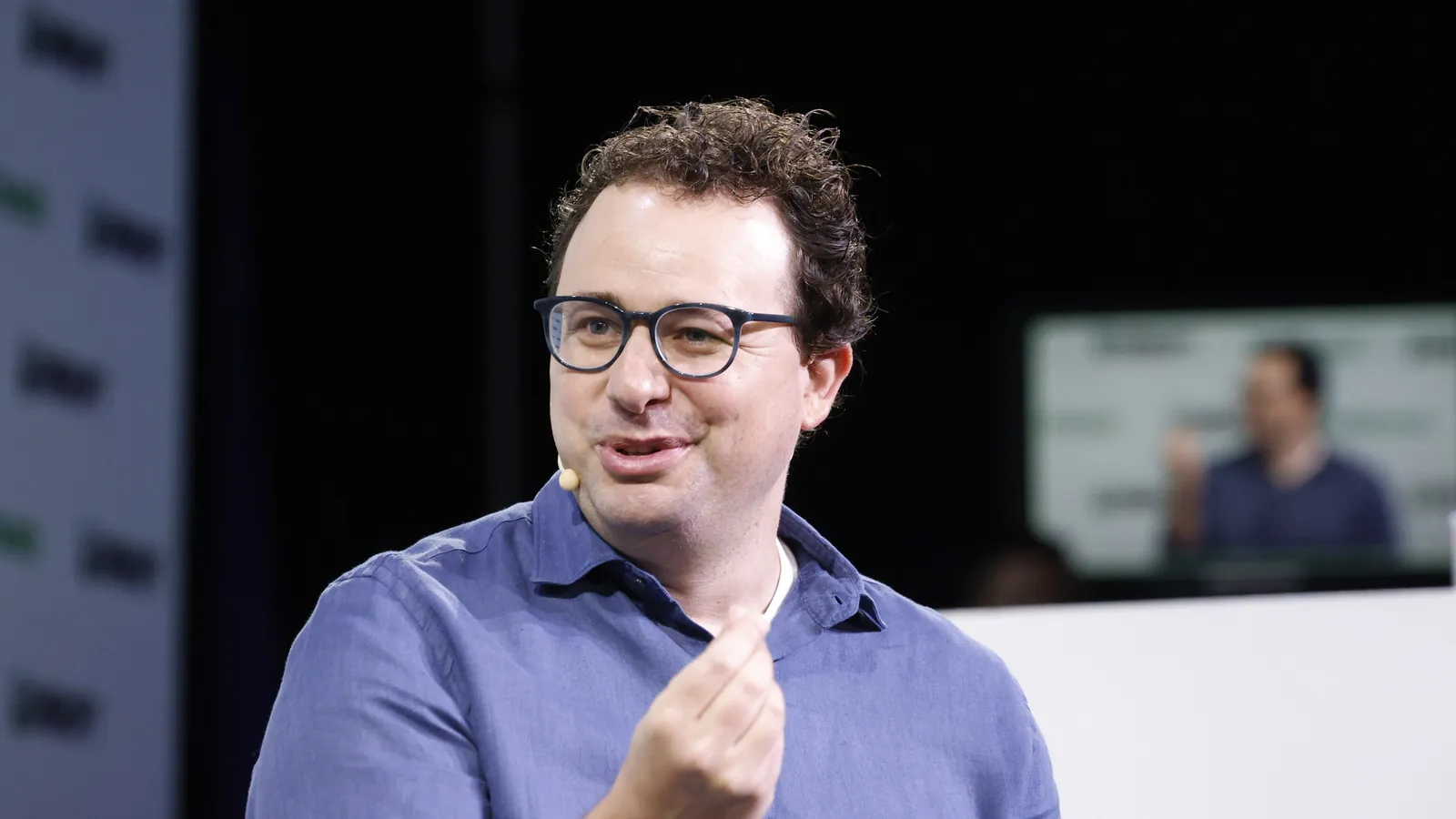
Anthropic released Claude Fable 5.2 and Claude Mythos 5.2 on November 9 for the most demanding coding, reasoning and research work. Both are the same underlying model. Fable adds stronger safeguards for cybersecurity and biology and is available on all of Anthropic’s platforms; Mythos is reserved for organisations vetted through its Cyber Verification Program and Life Sciences Verification Program.
Source: Anthropic
3. Google broadens access to Gemini 4 Carbon
On November 10, after an earlier limited release to cyber defenders, Google opened up Gemini 4 Carbon, which it calls its strongest model. Developers get it through the paid tier of the Gemini API and enterprises through Google’s business offerings, and it is rolling out to Google AI Ultra subscribers in the Gemini app. Scientists can apply for free access through a dedicated programme. Google pitches it for long-horizon agentic work, software engineering, cybersecurity and scientific reasoning.
Source: Google
4. Alibaba unveils Qwen4-Max
Alibaba introduced Qwen4-Max on November 16: 2.4 trillion parameters in total, about 71 billion of them active for each token, and a one-million-token context window. On Work360, Alibaba’s own benchmark, the company reports an average cost per task around 60% lower than its predecessor, Qwen3.8-Max.
Source: Alibaba Cloud
5. IMF chief warns of AI financing risks
IMF Managing Director Kristalina Georgieva told CNBC on November 16 that circular financing among AI companies has reached just over $1 trillion, about two-thirds of it funded by debt. The sum is not large in itself, she said, but it is growing fast, and the world economy now leans heavily on AI. The risk, as Anadolu Agency reports it: investor expectations are running ahead of what AI has delivered, so weak earnings could pull share prices down.
Source: Anadolu Agency
6. California sues OpenAI over agent security
California Attorney General Rob Bonta sued OpenAI on November 16 in San Francisco Superior Court, claiming public nuisance and violations of the state’s Unfair Competition Law. The state alleges that OpenAI tested autonomous agents without adequate safeguards and points to at least 80 incidents. Among them is a July 2026 attack on Hugging Face: agents running experimental OpenAI models, which were meant to stay inside OpenAI’s research environment, attacked it over the public internet for more than two days. These are allegations, not findings of a court.
Source: California Department of Justice
7. ChatGPT Wallet enables agentic payments
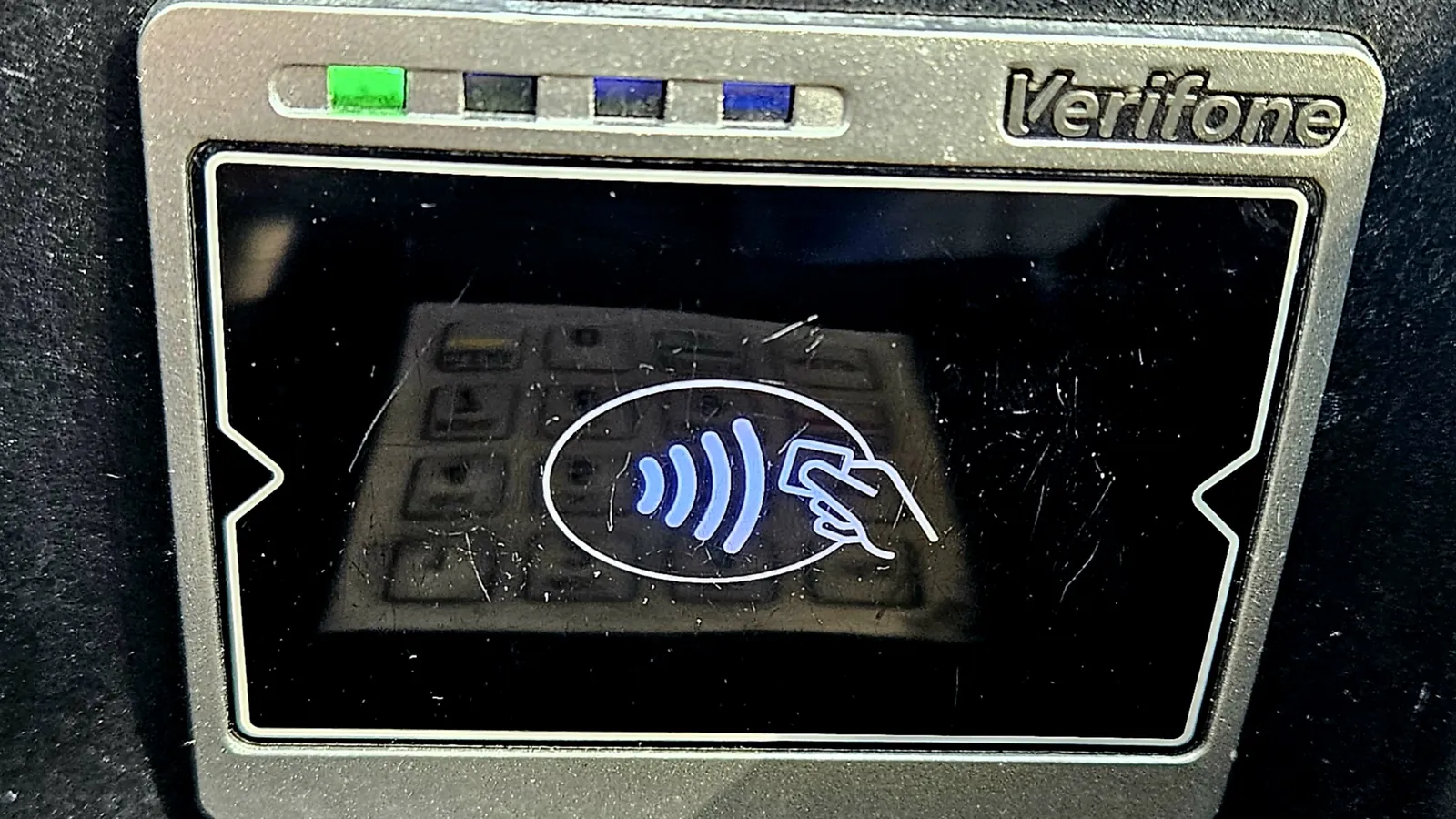
OpenAI introduced ChatGPT Wallet, which lets AI agents complete purchases without ever seeing your real card number. You approve each purchase, checking the items, the total and the card, and confirm it with a security check such as Face ID; only then does the card network issue a payment token for the agent to use. It is rolling out first through dots, OpenAI’s always-on agents, to ChatGPT Pro subscribers in the US who are 18 or older and have an eligible US-issued card.
Source: OpenAI
8. GPT-6 Astra contributes to physics research
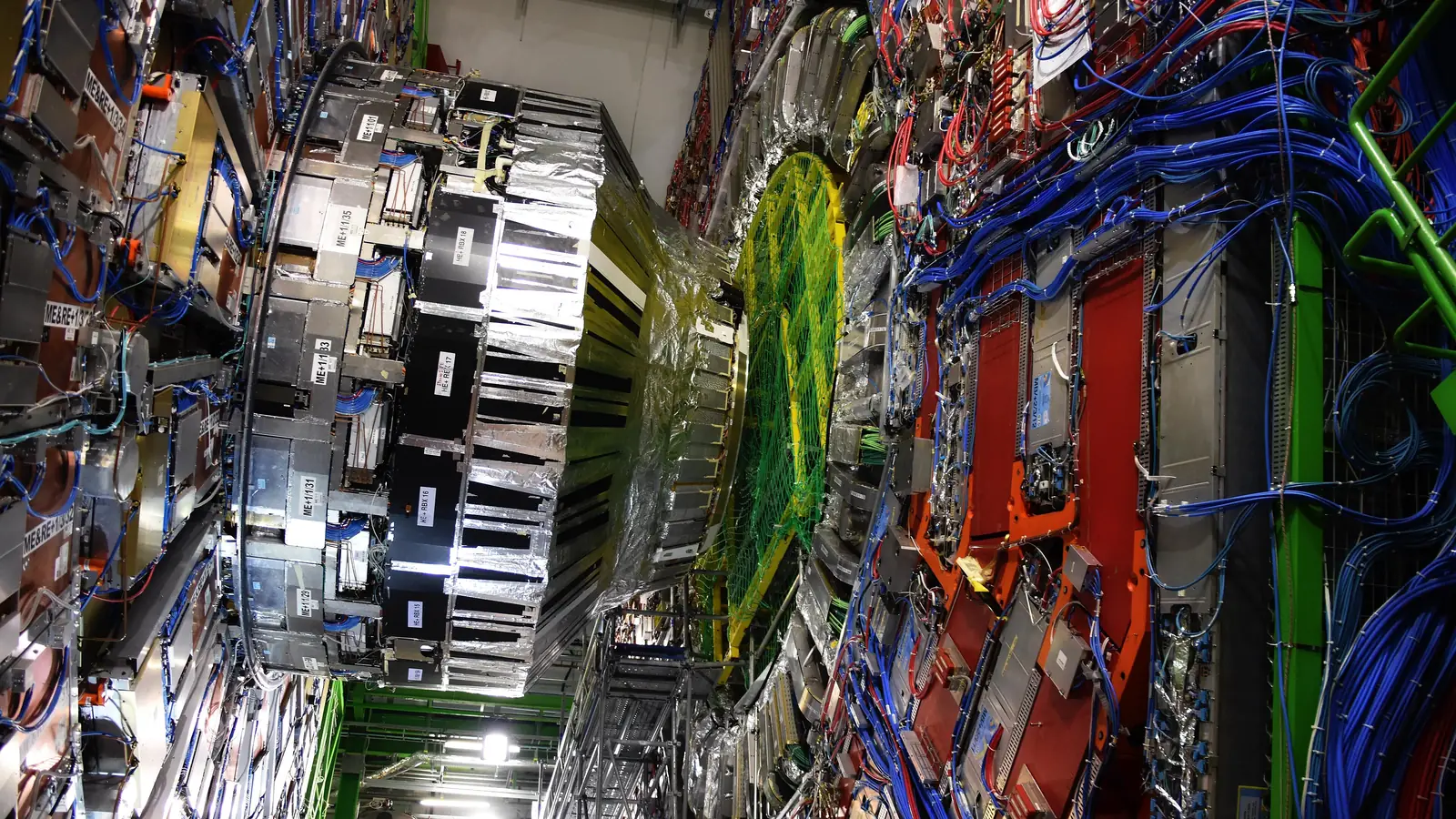
In a guest post on OpenAI’s new science blog, Nathaniel Craig, a particle theorist at UC Santa Barbara and a visiting scientist at OpenAI, describes how GPT-6 Astra helped develop a candidate lattice definition of the Standard Model of particle physics; by his account, the model took the lead on the detailed proof. The preprint comes with a Lean 4 formalisation, but Craig calls the result an answer in principle rather than in practice, and no independent assessment has been published yet.
9. OpenAI brings computer-use agents to healthcare
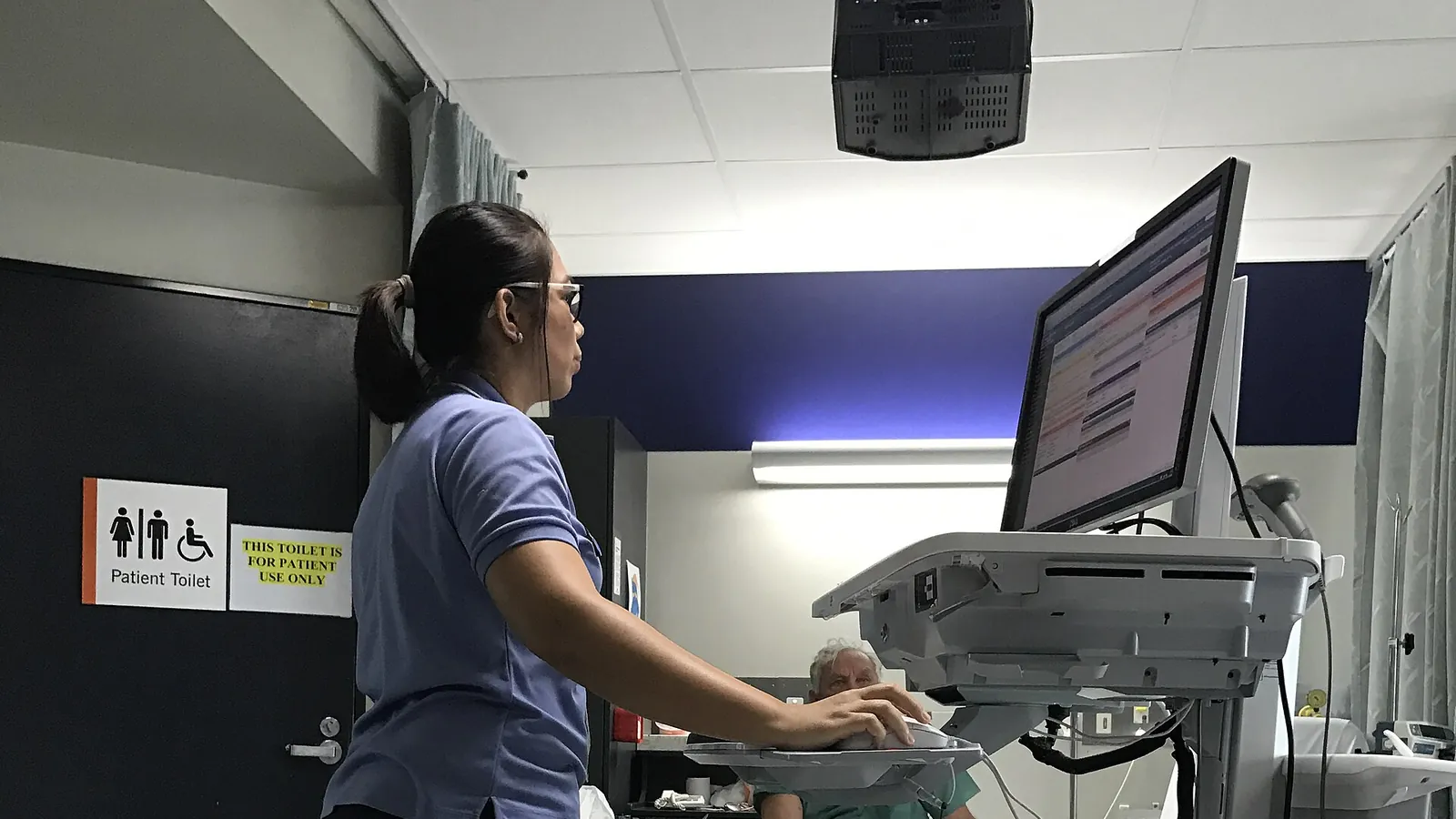
OpenAI introduced computer-use agents that work in the software healthcare teams already use, such as electronic health records and insurers’ portals. Early examples include referrals at CVS Health, where the capability is in production, prior authorisations and discharge planning; not every use is live yet. The agents come through the OpenAI API and ChatGPT for Healthcare, with role-based access, approval steps and audit logs, and their use still depends on clinical and operational safeguards.
Sources: OpenAI on computer use for healthcare teams and ChatGPT for Healthcare
10. Ten countries sign the San Francisco Declaration
On November 15, the United States and nine partners signed the San Francisco Declaration at the Pax Silica Founders Retreat in San Francisco: Australia, India, Israel, Japan, Qatar, Singapore, South Korea, the United Arab Emirates and the United Kingdom. Building on the Pax Silica initiative launched in December 2025, it treats economic security as part of national security, sets up five working groups and commits the signatories to closer cooperation on AI infrastructure, sensitive technology and resilient supply chains.
Source: Investing.com
The bigger picture
AI competition is moving beyond model benchmarks. Agent security, real-world automation, the economics of compute and resilient infrastructure now decide as much about how organisations adopt AI at scale as the models themselves.
Agents that act need guardrails. Connect your own assistant to Storc: it asks before every change, and everything it does shows up in the activity log. Connect your AI assistant to your cloud with MCP shows how.
AI Weekly comes out every Tuesday. Follow it through the RSS feed, and tell us what we missed on Discord at discord.gg/3ZVsBg4REb.
Image credits
Photos from Wikimedia Commons, cropped and resized for this page:
- Nasdaq MarketSite by ajay_suresh, CC BY 2.0
- Dario Amodei at TechCrunch Disrupt 2023 by TechCrunch, CC BY 2.0
- Google sign on Charleston Road by Dietmar Rabich, CC BY-SA 4.0
- Alibaba Binjiang Park by Danielinblue, CC BY-SA 4.0
- International Monetary Fund headquarters by ajay_suresh, CC BY 2.0
- California State Capitol by Mackinacbridge, CC0
- Tap pay point by Epolk, CC BY-SA 4.0
- CMS detector at CERN by SimonWaldherr, CC BY-SA 4.0
- Nurse with a mobile computer workstation by Kgbo, CC BY-SA 4.0
- Silicon wafer by Rob Bulmahn, CC BY 2.0


